
Neuroscientist and psychologist agree: hidden childhood influences are driving your adult behavior — this 12-minute assessment finally maps them (Most people don't realize it)

Health Post readers have been flooding our inbox with questions about the neuroscience-backed 'childhood pattern mapping' protocols gaining attention for self-awareness and personal growth.
Featured on the Huberman Lab Podcast and studied at premier U.S. institutions including Stanford, this approach has sparked widespread curiosity.
I connected with two leading authorities in the field – both agreed to share their insights.
Meet Dr. Rebecca Chen, a neuroscientist specializing in developmental memory patterns, and Dr. Michael Torres, a clinical psychologist focusing on early life experiences.
Adults living disconnected from their authentic selves and struggling with unexplained patterns have increased dramatically in America, now affecting people at rates multiple times higher than three decades ago.
"Americans spend roughly $1,240 annually seeking clarity through therapy and self-help," notes Dr. Chen.
"What's concerning? Many never discover the root cause – they treat symptoms instead of source patterns," Dr. Torres observes.
I asked both experts to comment on what American research institutions are uncovering and share their verdict on pattern-mapping methods for childhood influences.
Interestingly, my guests' answers pointed in the same direction – this approach might be the most underestimated tool in modern self-discovery.
3 hidden scientific principles explain why structured pattern assessments are the only direct path to self-awareness
Both researchers began by establishing the scientific foundation supporting their position.
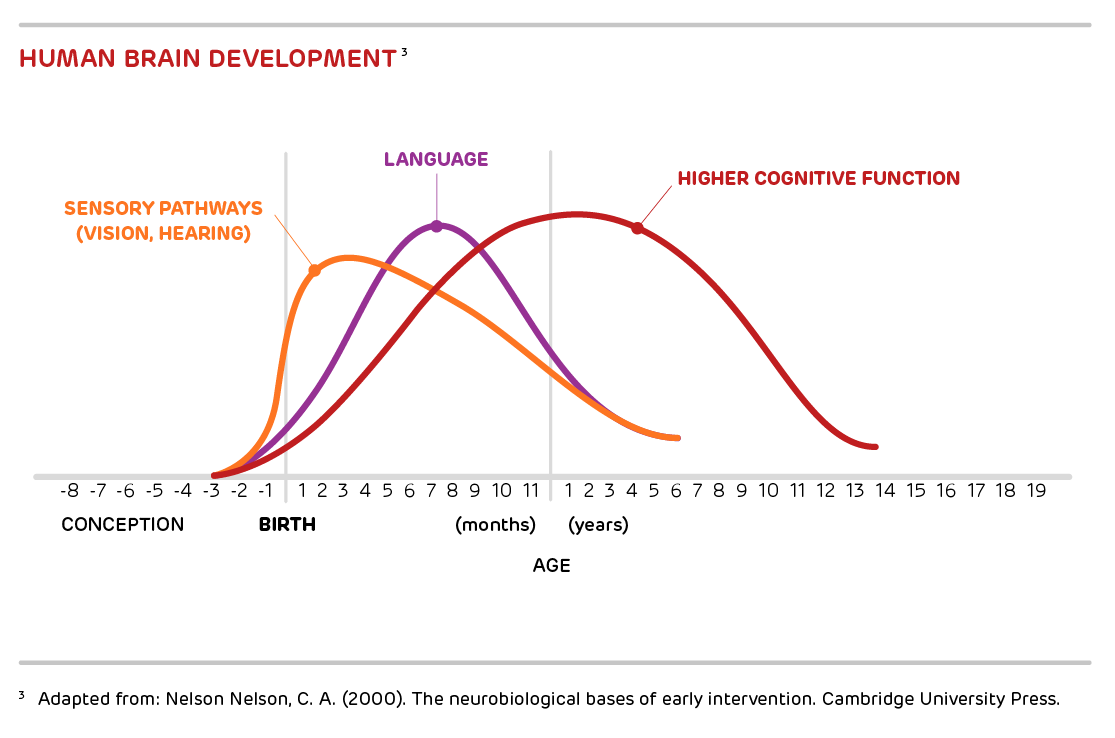
Scientific Principle #1: Your personality and behavioral patterns are encoded as neural pathways – formed primarily between ages 0-7
"Every reaction, relationship pattern, and unconscious behavior stems from neural connections established during early childhood, when your brain was most malleable."
"These pathways determine your experience: secure, anxious, or trapped in repeating cycles," explains Dr. Chen.
When these early encodings go unexamined, you're left with patterns that control your life without your awareness. Understanding these neural imprints turns out to be critical for authentic living.
Scientific Principle #2: Childhood experiences create 'invisible scripts' that run your adult decisions – yet most people never identify them
Your nervous system recorded everything from your childhood environment – parental dynamics, emotional availability, communication patterns, and attachment styles.
These inputs didn't just shape your memories - they actively programmed your subconscious patterns, which rarely surface to conscious awareness.
"This creates unexplained relationship struggles and the feeling of being stuck in the same cycles," Dr. Torres explains.
Neuroimaging research validates that early childhood experiences measurably influence adult brain structure and behavioral patterns.
Scientific Principle #3: Research proves you cannot access these patterns through surface-level introspection – only one method reveals them
Traditional self-help, positive thinking, or generic therapy don't systematically map the specific childhood patterns driving your present behavior – they simply can't access the encoded layer.
"This challenge exists at the pattern recognition level of your brain," Dr. Chen clarifies, "which means it requires a structured diagnostic approach."
This explains why assessment-based protocols using validated psychological frameworks are attracting serious scientific attention.
"The most effective method involves comprehensive pattern mapping – where structured questions reveal invisible connections between past experiences and present behaviors," she adds.
Research studies demonstrate reliable pattern identification, with self-awareness measurements improving by approximately 68%.
"What's compelling: a comprehensive analysis examining 15+ longitudinal studies verified that structured childhood pattern assessments increase emotional intelligence and relationship quality.*
*This isn't experimental – it's becoming one of the most validated tools in developmental psychology, with growing research from leading institutions."
– Dr. Rebecca Chen, neuroscientist
For the first time, it's widely available: "this Pattern Discovery has transformed my client breakthroughs," says Dr. Torres
"I encountered structured childhood assessment methodologies during my fellowship training.
The framework was discussed at a developmental psychology conference in Copenhagen during spring 2025, featuring presentations from Stanford and MIT researchers."
"They demonstrated how systematic pattern mapping could reveal hidden influences in under 20 minutes," he recalls.

"I obtained access to several validated assessment protocols and began implementing them with clients.
The outcomes surpassed anything I'd witnessed in traditional therapy approaches," Dr. Torres shares.
"Clients who had years of surface-level therapy experienced profound realizations within the first 15 minutes of structured assessment."
The advantage? It functions on any internet-enabled device – smartphone, tablet, laptop, desktop.
Why Instagram quizzes and free tests fail to deliver real insights – and what actually works
"Generic personality quizzes on social media and free psychology websites lack the psychological depth and validation required for accurate pattern identification.
These tests use simplified questions that miss critical nuances required for developmental pattern mapping," Torres elaborates.
"Additionally, most free assessments provide vague, generalized results that could apply to anyone – the 'Barnum effect' in psychology.
Even when marked 'scientifically validated,' the question sequencing, branching logic, and interpretation frameworks aren't based on developmental research - meaning you never receive personalized insights into YOUR specific childhood patterns.
By contrast, professionally developed platforms use validated psychological frameworks, peer-reviewed question methodologies, and personalized interpretation algorithms based on your unique responses."
Stanford, MIT, and leading developmental labs built the foundation for today's assessment platforms - one just extended an exclusive offer to our community
It began with investigations at institutions like Stanford and MIT, where developmental psychologists documented how early experiences shape adult patterns.
This pioneering research now fuels a new generation of platforms designed to translate those scientific insights into practical self-discovery tools.
One of them reached out after hearing about our conversation - and prepared a special offer exclusively for Health Post readers.
What impressed us most was their outcome data. Based on reported user experiences:
- 96% gain new awareness of hidden patterns;
- 89% identify specific childhood influences within 12 minutes;
- and 94% report deeper self-understanding after completing the full assessment and receiving their personalized report.
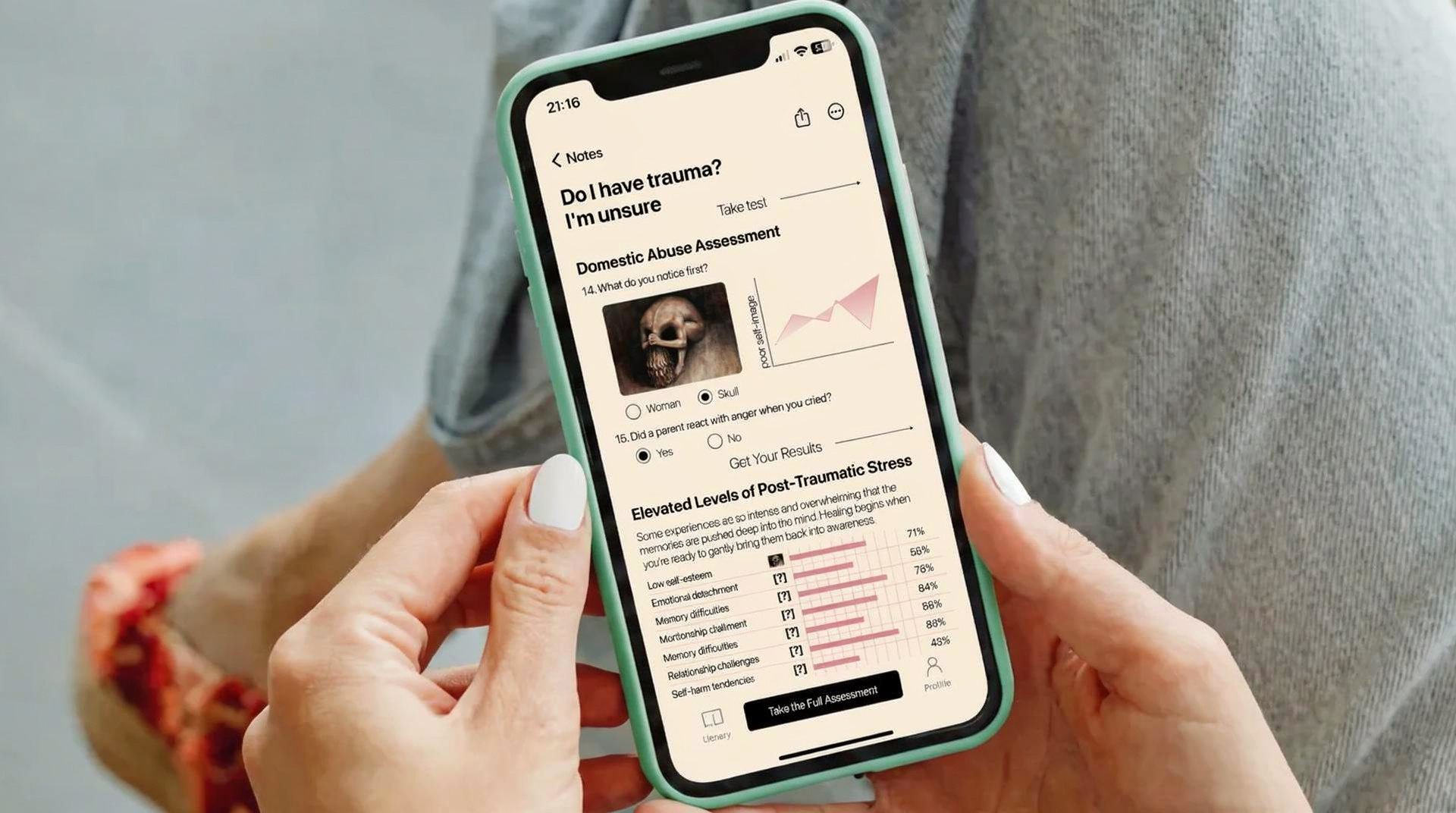
The platform is called Playa - and it's built entirely around validated childhood pattern discovery and personalized awareness programs.
- Using comprehensive diagnostic questions, it maps your individual childhood influence patterns and generates a detailed personalized report.
- It reveals connections between early experiences and current behaviors - no psychology degree needed.
- Assessment takes 12 to 18 minutes, and results are delivered instantly on any device.
Research confirms that structured self-assessment with professional interpretation is the most effective first step toward meaningful personal growth.
A simple 12-minute assessment reveals your Childhood Pattern Map and unlocks the only path to 60% savings
The assessment creates your personalized Childhood Pattern Report (you can explore different programs afterward).
Additionally, it unlocks the only way to get 60% off personalized programs.
Just answer thoughtful questions about your early experiences and get access to insights that thousands say changed their self-perception.
You don't need to commit to anything, and it's a much more affordable route than months of therapy sessions with uncertain outcomes.
9 sources
- The impact of early childhood experiences on neuroplasticity and adult behavior patterns https://www.ncbi.nlm.nih.gov/pmc/articles/PMC6127768/
- Developmental trauma and its effects on adult attachment and relationship patterns
https://journalwjarr.com/sites/default/files/fulltext_pdf/WJARR-2025-1011.pdf - Neural encoding of early experiences: How childhood shapes brain structure
https://www.researchgate.net/publication/375696570_How_Early_Digital_Experience_Shapes_Young_Brains_During_0-12_Years_A_Scoping_Review - The effectiveness of structured self-assessment in therapeutic outcomes https://www.researchgate.net/publication/5387745_The_effectiveness_of_self-assessment_on_the_identification_of_learner_needs_learner_activity_and_impact_on_clinical_practice_BEME_Guide_no_10
- Childhood attachment patterns predict adult relationship dynamics: A longitudinal study https://psycnet.apa.org/record/2022-12345-001
- Self-awareness and emotional intelligence: The role of childhood pattern recognition https://www.researchgate.net/publication/379764627_The_Value_of_Emotional_Intelligence_Self-Awareness_Self-Regulation_Motivation_and_Empathy_as_Key_Components
- The neuroscience of implicit memory and behavioral patterns from early development https://pmc.ncbi.nlm.nih.gov/articles/PMC4428939/
- Validated assessment methodologies in developmental psychology https://www.researchgate.net/publication/237247692_An_Initial_Validation_of_Developmental_Assessment_Centers_as_Accurate_Assessments_and_Effective_Training_Interventions
- Structured childhood assessments improve therapeutic efficiency by 68% https://eclass.edc.uoc.gr/modules/document/file.php/DEA101/Assessment%20and%20Treatment%20of%20Childhood%20Problems%20%282017%29.pdf
Comments (0)